



Caesars Faces 7.8m Penalty over Nevada AML Compliance Failures

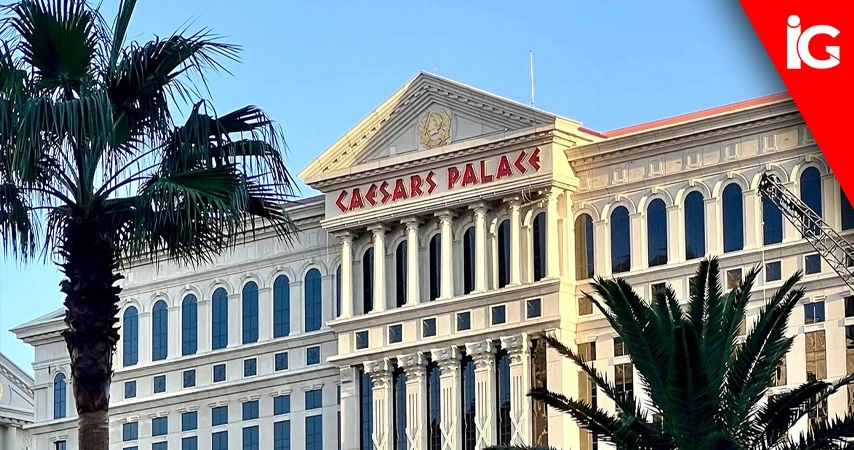
Caesars Entertainment will pay a $7.8m fine after the Nevada Gaming Control Board (NGCB) determined that the company’s anti-money laundering procedures were not meeting required standards. The board stated that Caesars’ AML programme was ineffective in identifying customer sources of funds and in assessing allegations of potential illegal activity. While the underlying case details were not disclosed, regulators emphasised the need for the operator to establish a stronger and more reliable compliance framework.
Under the settlement, Caesars must maintain and revise its AML programme as necessary and provide updates directly to the NGCB board chair. The company’s chief legal officer or chief compliance officer will be required to meet with regulators upon request, with such meetings limited to no more than once per quarter. Caesars must also incorporate procedures for requesting and sharing information with financial institutions, aligning with broader AML requirements.

The agreement mandates extensive in-person AML training for independent agents, casino hosts, marketing staff and employees with credit authority of $50,000 or more. Annual training will also apply to senior management, the board of directors and executives across subsidiary properties. Caesars must designate an individual responsible for oversight of AML decisions, including suspensions or reinstatements of customers, and ensure that regulatory filings are made as required.

The company will launch an internal awareness campaign to encourage frontline employees to report suspicious activity, with the campaign repeated annually. Staffing levels for AML and BSA compliance must be maintained, and vacancies must be filled promptly. Two years after implementation, Caesars will retain an independent AML expert to assess its compliance efforts over the preceding period and provide a report simultaneously to regulators and the company.
This action follows earlier penalties in 2015, highlighting sustained regulatory expectations in the gaming sector.