



Estonia Cuts Online Gambling Tax to 4% to Boost iGaming Growth

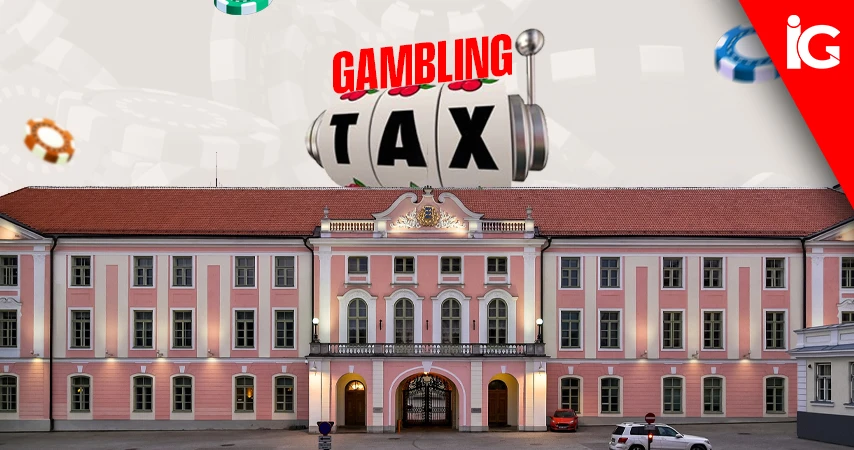
Estonia’s parliament, the Riigikogu, has voted in favour of reducing the country’s gambling tax from 6% to 4%, marking a deliberate shift in national policy intended to attract greater international investment in online gaming. The reform was approved in a 51–31 vote and reverses earlier government plans to raise the tax to 7%. Supporters of the change, led by MP and Finance Committee member Tanel Tein, state that the objective is to modernise gambling regulations, enhance transparency, and ultimately increase long-term tax revenue by drawing more global operators to the market.
Tein emphasised the goal of integrating global accounting standards and positioning Estonia as a competitive European iGaming hub. The move aligns with broader political ambitions to rival established jurisdictions such as Malta, Gibraltar and the Isle of Man. However, the Ministry of Finance has expressed strong reservations, warning that the tax cut could significantly impact state revenue if projected industry growth does not materialise. Estimates indicate the government could lose up to €13m in gambling tax income by 2029.

Regulatory oversight concerns have also been highlighted, particularly relating to the difficulty of monitoring international operators whose operations are often based outside Estonia. The timing of the reform coincides with challenges in the Estonian gaming sector, including recent restructuring efforts and large-scale redundancies announced by Yolo Entertainment as it consolidates its operations under a single brand and expands into new markets.

As Estonia pursues its ambition to become a leading European online gambling centre, the newly approved tax reduction represents a high-stakes decision balancing market competitiveness with regulatory and fiscal responsibility.