



Chicago Online Sportsbooks Stay Live Amid Tax Lawsuit

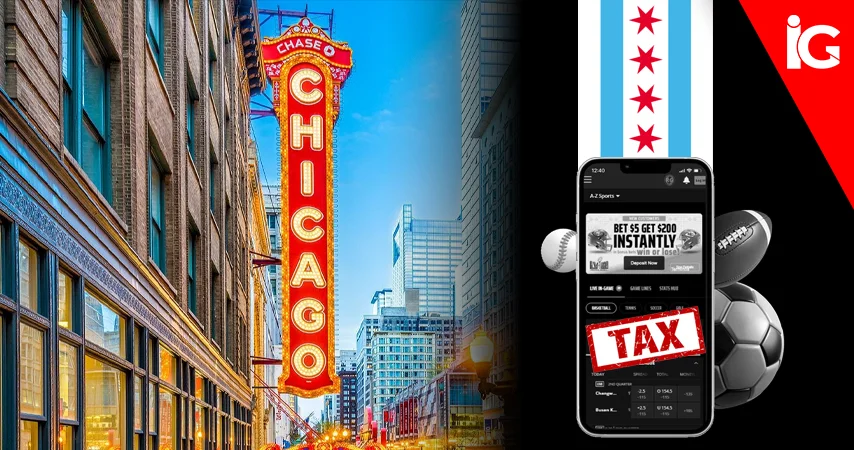
Chicago enters 2026 with legal sports betting fully operational despite an ongoing court battle over new city taxes.
Chicago’s online sports betting market has begun 2026 without disruption, even as a legal challenge over newly introduced municipal taxes and licensing requirements continues in Cook County. City regulators have confirmed that licensed sportsbooks remain live across Chicago, providing stability for operators, bettors, and public revenues despite the unresolved lawsuit.

The dispute centres on Chicago’s 2026 budget, approved by the Chicago City Council late last year. The budget introduced a 10.25 percent tax on adjusted gross receipts from all sports bets placed within city limits, alongside annual licensing fees ranging from $5,000 to $50,000. City officials argue that the measures are designed to increase local revenue and strengthen regulatory oversight as sports betting continues to expand across Illinois.
Opposition to the new framework came from the Sports Betting Alliance, which represents major sportsbook operators active in the state. The Alliance filed a lawsuit claiming that Chicago does not have the authority to impose additional taxes or licensing requirements beyond those established at the state level. The group argues that the Illinois Sports Wagering Act reserves regulatory and taxation powers for the state legislature unless explicitly delegated, which it says has not occurred.
iGaming News Today observes that the legal challenge reflects a broader national debate around how much control municipalities should have over sports betting regulation, particularly in states where wagering frameworks were designed to operate at a centralised level.
Initially, the Alliance sought an emergency temporary restraining order, warning that sportsbooks faced the prospect of operating without city licences or shutting down entirely as 1 January approached. Operators also cautioned that suspending legal platforms could push consumers toward unregulated markets, raising concerns around player protection and compliance standards.

That immediate risk was removed after Chicago issued licences to all affected sportsbooks ahead of the new year. Following the move, the Alliance withdrew its request for emergency relief, confirming that regulated platforms would continue operating without interruption while the broader legal case proceeds.
Beyond Chicago, the lawsuit raises wider questions about regulatory consistency in US sports betting. If the city’s approach is upheld, other municipalities could introduce their own betting taxes, potentially creating a fragmented regulatory landscape across Illinois. A ruling against Chicago, however, could reinforce state-level authority and provide greater long-term certainty for operators, investors, and regulators alike.
Follow For More: https://www.linkedin.com/feed/update/urn:li:activity:7414182858786832384