



Maine Regulator Urges Governor to Block iGaming Expansion

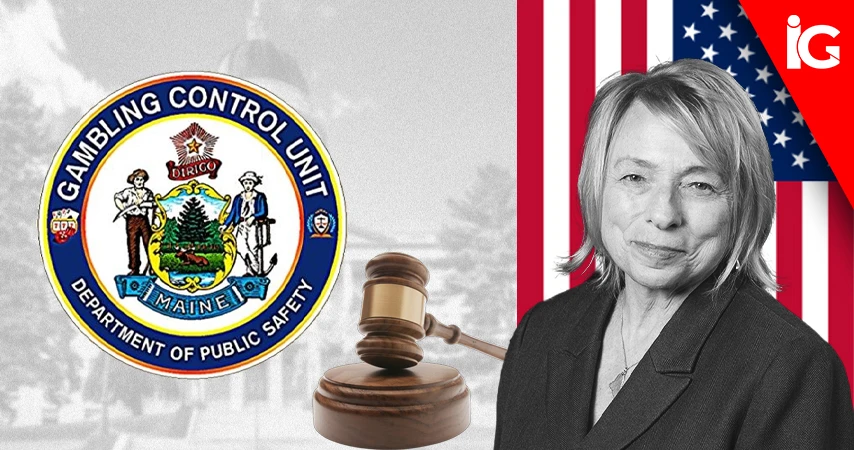
Maine’s proposed move into online casino gaming has entered a critical phase, as the state’s primary gambling regulator formally urges the governor to halt the legislation. The Maine Gambling Control Board has called on Governor Janet Mills to veto LD 1164, a bill that would legalise iGaming while granting exclusive operational rights to the state’s federally recognised tribes.
The recommendation followed a unanimous 5–0 vote by the Board, which oversees casino gaming and consumer protection in Maine. In its communication to the governor, the regulator warned that the bill poses structural risks to the state’s gaming framework, particularly around competition, oversight, and long-term market stability. As iGaming News Today observed, this intervention comes just days before lawmakers are set to reconvene, placing additional pressure on the governor ahead of a narrow decision window.

LD 1164, passed by the legislature in 2025, would permit statewide online casino games such as digital slots, blackjack, and roulette. While the bill allows tribal operators to partner with established national gaming brands, it excludes Maine’s commercial casinos from holding iGaming licences. Regulators argue this approach could effectively create a monopoly, limiting accountability and sidelining operators that have invested under the current regulatory regime.
Concerns extend beyond market access. The Board and state health officials have also highlighted the risks associated with always-available online casino products, including increased exposure to problem gambling if controls are insufficient. Additionally, regulators caution that placing online gaming oversight under a separate authority from land-based casinos could lead to regulatory fragmentation, an issue Maine previously encountered during the rollout of legal sports betting.
Commercial casino operators and major gaming companies have echoed these concerns. During legislative hearings, opponents argued that the bill could lead to job losses, reduced local economic activity, and a shift of market influence toward large out-of-state companies operating through tribal partnerships. Supporters of LD 1164, however, maintain that the bill respects tribal sovereignty and builds on the existing sports betting framework already in place.
Governor Mills has until January 10 to sign the bill, veto it, or allow it to become law without action. Even a veto could still be overridden by a two-thirds majority in both legislative chambers. As the deadline approaches, the outcome of LD 1164 is expected to shape not only Maine’s iGaming future but also broader debates around how US states balance tribal rights, competition, and consumer protection in online gambling.