


Why Great Canadian Entertainment Is Scaling Back Its B.C. Casino Footprint
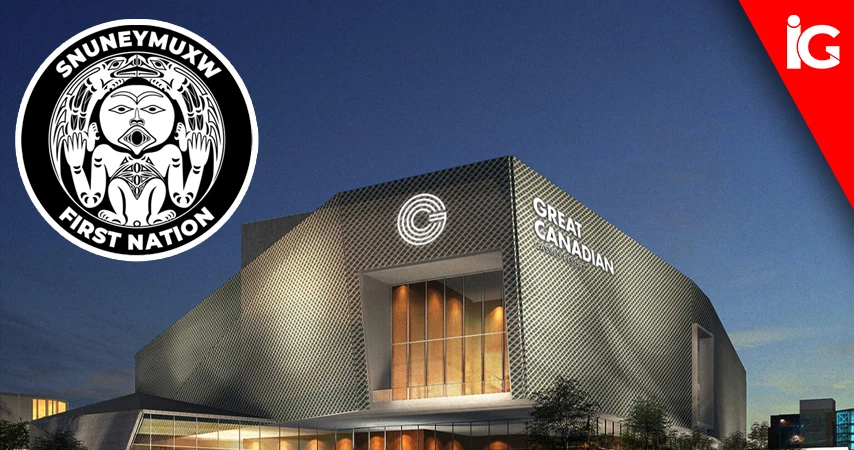
Great Canadian Entertainment is quietly but decisively stepping back from the province where its casino business began more than four decades ago. Since mid-2024, the operator has sold or agreed to sell seven of its nine casino properties in British Columbia, leaving just two venues once the transactions are completed.
For a company long associated with the B.C. gaming market, the scale of the retreat is striking. Great Canadian built its early growth around Vancouver-area casinos before expanding across Ontario and Atlantic Canada. The current divestment represents a clear shift away from that historic provincial focus.
Several factors appear to be converging. The B.C. casino market has faced softer performance in recent periods, with inflation and reduced discretionary spending weighing on results. At the same time, Great Canadian is operating under the financial pressure that followed its leveraged buyout and subsequent move to private ownership. In that context, selling established, high-value assets offers a direct way to stabilise the balance sheet.
Who is buying the casinos is just as important as who is selling them. First Nations groups are acquiring the assets as owner-operators, continuing a broader trend of Indigenous participation moving beyond partnerships and into direct ownership. Once the deals close, some of these Nations will control one of the largest Indigenous-owned casino portfolios in Canada by revenue.
From an industry perspective, this is more than a reshuffling of properties. It reflects how capital constraints, maturing regional markets, and Indigenous economic development are reshaping the structure of Canada’s land-based gaming sector.
As iGaming News Today sees it, Great Canadian’s B.C. exit is not about retreat alone. It is a signal of how ownership priorities and long-term strategy are evolving in a changing casino landscape.