


Norway’s Gambling Regulator Approves New Licences for Postcode and Recycling Lotteries
Norway Gambling Regulator has issued a new round of licences for postcode and recycling-style lotteries, marking a controlled expansion of permitted gambling activity within one of Europe’s most restrictive regulatory environments. The approvals were granted by the Norway Gaming Authority, known locally as Lotteritilsynet.
A total of 24 licences have been awarded, including 23 permits for postcode lotteries and one licence for a recycling-based lottery model. All licences will run until 2035, providing long-term operational certainty for approved organisations.
Limited Openings Within a Closed Gambling Market
Norway Gambling Regulator continues to operate a strict gambling monopoly, with most legal gambling activity reserved for state-owned operators. However, national regulations allow specific exemptions for charitable lottery formats, provided applicants meet stringent financial and operational criteria. One key requirement is an annual turnover cap of NOK410 million.
Postcode lotteries and recycling lotteries fall within these exemptions, allowing charities to participate in regulated gaming activity without fundamentally altering the monopoly structure. The latest licensing round represents a significant expansion, particularly in the postcode lottery segment, which previously included only two licence holders.
Charities Gain Long-Term Access to Lottery Revenue
Several well-known charitable organisations were among the successful applicants for postcode lottery licences. These organisations will collaborate directly with Norsk Postkodelotteriet, Norway’s established postcode lottery operator. Under the licence conditions, at least 50% of turnover after winnings will be distributed to the participating charities.
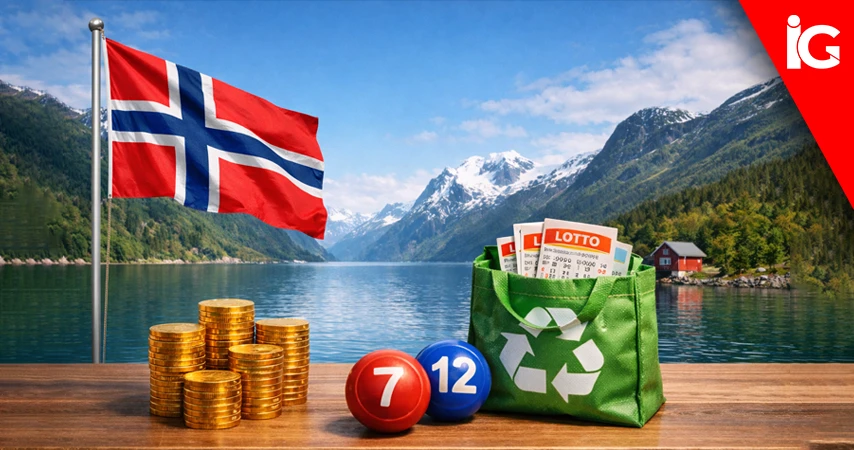
The recycling lottery licence was awarded exclusively to the Norwegian Red Cross, which will work with Norsk Pantelotteri. This lottery model allows consumers to exchange recycled bottles and cans for lottery entries, combining environmental incentives with charitable fundraising. As with postcode lotteries, a minimum of 50% of net turnover will be allocated to charitable causes.
Political Debate Over the Monopoly Continues
While these licences are permitted under current regulations, the wider Norwegian gambling market remains tightly controlled. Legal gambling offerings are limited to state monopolies Norsk Tipping and Norsk Rikstoto, which together cover online gambling, lotteries, sports betting, and horse racing.
Political pressure to reform the monopoly system has increased in recent years. The Progress Party has repeatedly called for a licensing model similar to those adopted in Sweden and Finland, arguing that the current framework allows unregulated offshore operators to capture significant consumer spend.
Regulatory Scrutiny Shapes the Market Outlook
The timing of the new licences comes amid heightened regulatory scrutiny of Norway’s monopoly operators, following several enforcement actions and financial penalties. These developments have intensified debate around governance, consumer protection, and regulatory effectiveness.
While the newly issued lottery licences do not signal immediate market liberalisation, they demonstrate how Norwegian regulators are using controlled exemptions to balance public interest funding, market stability, and political pressure. Further incremental adjustments may follow as regulatory and political discussions continue.