



UK Gambling Commission Opens Consultation on Licence Fee Increases
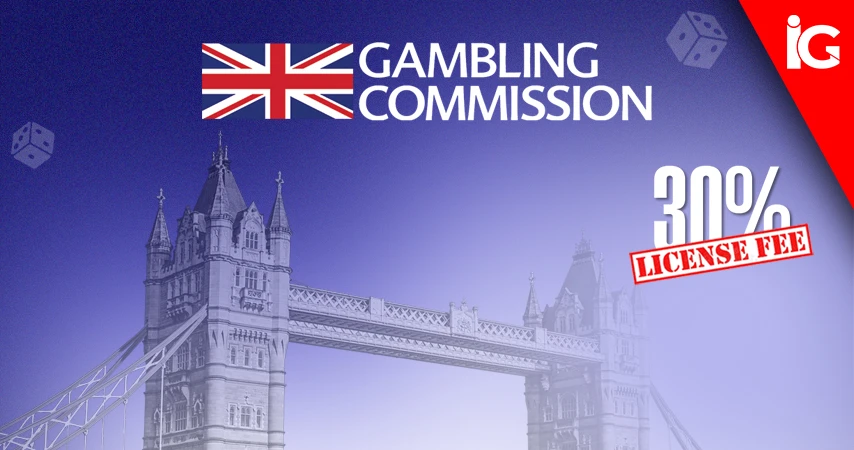
The UK Gambling Commission has launched a consultation proposing increases to licence fees charged to gambling operators across Great Britain as part of a broader review of regulatory funding.
Purpose of the Consultation
Under the proposals, existing fee structures would be revised to reflect the costs of delivering effective oversight, compliance monitoring, enforcement action, and other regulatory responsibilities. The Commission said fee reform is necessary to ensure sustainable funding of its operations as cost pressures rise and demands increase in a dynamic market.
The consultation document outlines potential fee levels, the rationale for changes, and the process by which stakeholders can submit responses. Licensed operators, industry bodies, and interested parties are invited to contribute views before the consultation period closes.
Regulatory Funding and Market Context
The Gambling Commission emphasised that fee adjustments are intended to align the cost of regulation with the resources needed to maintain robust oversight, protect consumers, and uphold compliance across all sectors of the gambling industry. The regulator’s functions include licensing, market monitoring, enforcement, and engagement with stakeholders to ensure high standards of consumer protection and fair play.
Industry observers note that regulatory costs have been rising, driven by increased enforcement activity and the need for enhanced monitoring tools. The consultation represents an opportunity for operators to engage with the Commission on proposals that could shape the future landscape of regulatory funding in the UK.
How to Respond
Details of how to access the consultation document and submit feedback are available on the Gambling Commission’s website. Stakeholders are encouraged to participate, as responses may inform final decisions about fee structures and implementation timelines.