


Sri Lanka Raises Casino Entry Fee and Gaming Levy from Jan 1
Sri Lanka has moved quickly to tighten its approach to casino gaming, with higher costs for both players and operators coming into force at the start of 2026.
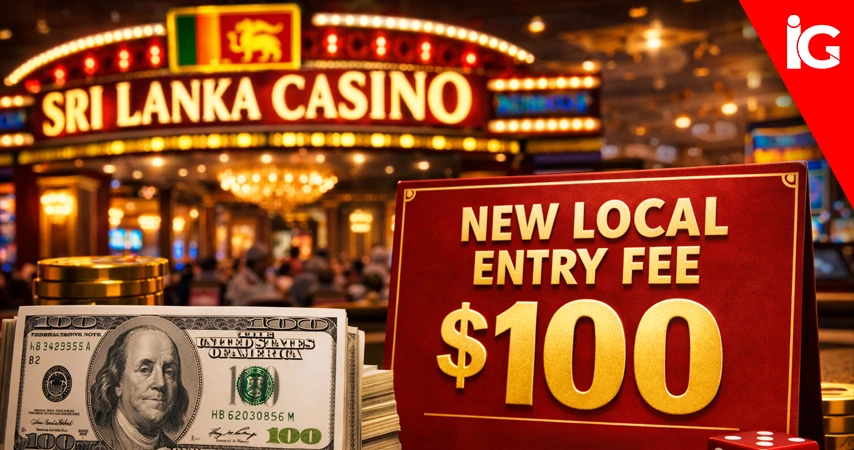
From January 1, the government doubled the casino entry fee for Sri Lankan citizens from US$50 to US$100. At the same time, it increased the betting and gaming gross collection levy from 15% to 18%. The changes were confirmed in a notice issued by the Inland Revenue Department and apply across the country’s licensed betting and gaming businesses.
The higher levy applies to operators whose monthly gross collections exceed LKR1 million (around US$3,200). Both measures were enacted under the Betting and Gaming Levy (Amendment) Act No. 25 of 2025, which received cabinet approval in September last year.
The timing of the increases is notable. They follow closely after the opening of City of Dreams Sri Lanka, the country’s first large-scale integrated resort with a casino. The project was developed by John Keells Holdings, with the casino operations managed by Melco Resorts & Entertainment.
For policymakers, the move appears aimed at securing a higher fiscal return from a sector that is still in its early stages of development. By increasing both the cost of entry for local players and the tax burden on operators, the government is signalling that casino growth will be accompanied by firm revenue expectations.
For operators and investors, the changes underline how quickly fiscal conditions can shift once a new casino market becomes operational. Higher entry fees may influence local visitation patterns, while the increased gross collection levy directly affects margins.
As reviewed by iGaming News Today, Sri Lanka’s early approach sets a clear tone for its casino sector. Expansion is permitted, but closely managed, with taxation and regulation positioned as central pillars of the market’s long-term structure.