



Brazil raises Betting Tax to 15% under New Federal Law

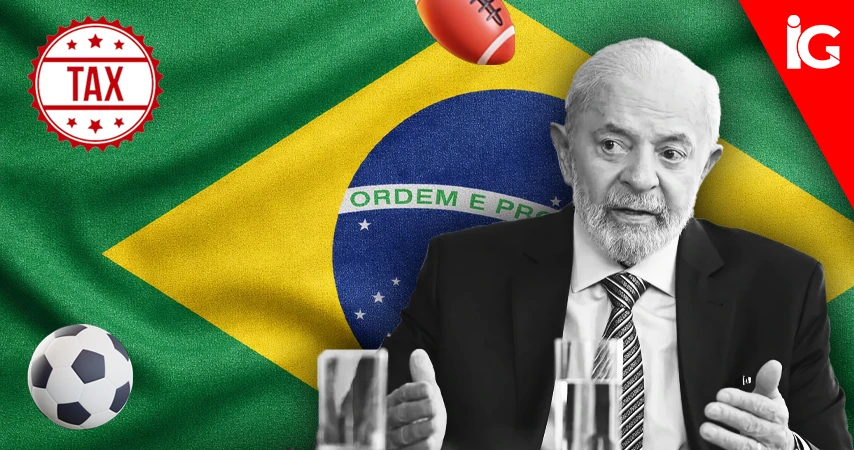
Brazilian President Luiz Inácio Lula da Silva has signed into law legislation increasing the betting tax rate from 12% to 15%, with the new level to be fully implemented by 2028. The tax applies to gross gaming revenue, defined as total revenue minus prizes paid to bettors, and marks another milestone in Brazil’s rapidly evolving regulated betting framework.
The measure follows approval by the Brazilian Senate earlier this month, which settled on a 15% rate after proposals initially suggested a higher 18% level. While additional bills seeking further increases remain under legislative review, the government has positioned the current rate as a balance between public revenue objectives and sustainable sector growth.

Brazil has quickly emerged as the world’s fifth-largest sports betting market during its first year of regulation. According to figures from the Secretariat of Prizes and Betting, the federal government collected R$3.32bn in betting-related taxes by September, with licensed operators handling R$27.7bn in wagers during the first nine months of the year.

Despite the market’s scale, industry bodies have expressed concern over the potential impact of higher taxation on licensed operators. The Brazilian Institute for Responsible Gaming has warned that increased fiscal pressure could push consumers toward unregulated platforms, which are estimated to still account for 55% of total market revenue.
The institute argues that strengthening the legal market, rather than raising costs, is the most effective way to increase tax collection, protect consumers, and combat criminal activity. As Brazil continues refining its regulatory framework, policymakers now face the challenge of maintaining competitiveness while enforcing compliance and market integrity.