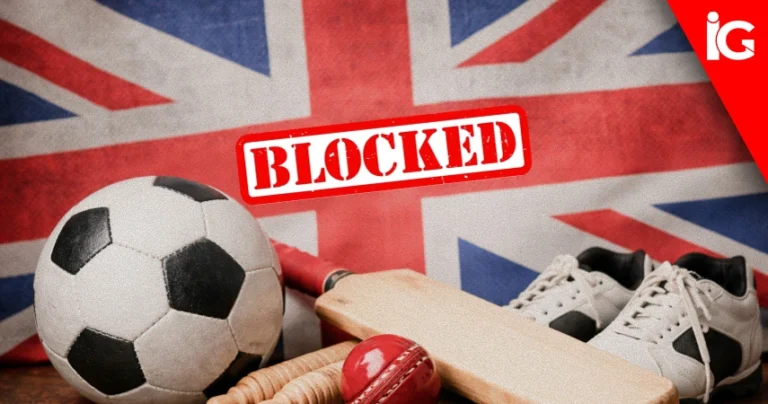



Boxing Day betting sparks renewed UK black market concerns.
Britain’s gambling black market may have captured up to £100m in wagers during Boxing Day betting activity, according to a warning issued by the Betting and Gaming Council. The industry body said peak sporting schedules continue to provide fertile ground for illegal operators targeting UK consumers.
The council cited market analysis indicating that unlawful betting platforms already process billions of pounds in stakes annually. Boxing Day alone is estimated to account for roughly one percent of total yearly betting turnover, suggesting that tens of millions of pounds can be diverted from licensed operators in a single day.
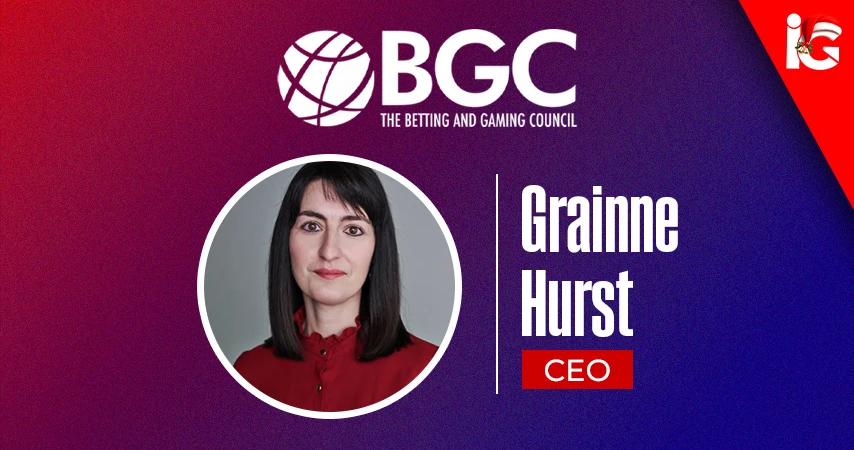
BGC chief executive Grainne Hurst warned that money wagered through illegal sites offers no consumer protections and contributes nothing in tax. She added that higher taxes risk making regulated betting less attractive, potentially accelerating the shift toward unlicensed alternatives.
Concerns have intensified following recent fiscal changes announced in the UK’s Autumn Budget. The Office for Budget Responsibility has acknowledged that higher gambling taxes are likely to reduce expected revenues as some consumers migrate to illegal operators. Forecasts suggest tax receipts could fall by around one third by the 2029–30 fiscal year.
Further analysis from EY estimates that recent tax measures could push more than £6bn in betting stakes into the black market, driving significant growth in illegal gambling activity and threatening thousands of regulated sector jobs.
The licensed betting and gaming industry operates under strict requirements on affordability, player protection, and anti-money laundering controls. It supports more than 100,000 UK jobs and contributes billions to the economy and public finances. Industry leaders are now urging policymakers to ensure regulatory changes do not unintentionally strengthen the illegal market at the expense of consumers and compliance-driven operators.