


European Regulators Unite to Combat Illegal Online Gambling
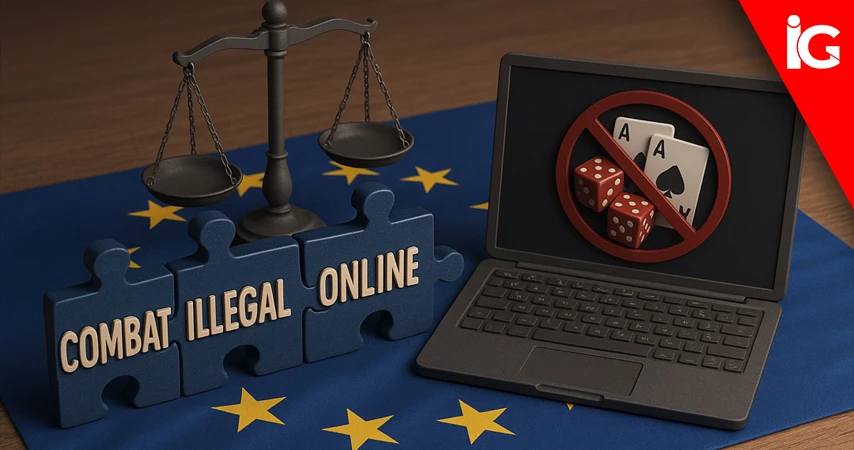
Gambling authorities from Germany, Austria, France, Great Britain, Italy, Portugal and Spain have formally committed to a shared enforcement strategy aimed at minimizing the risks posed by unregulated online gambling markets. The agreement was confirmed during a meeting held on 12 November at the Spanish Directorate General for Gambling Regulation, where officials highlighted the increasing challenges created by rapidly evolving technology and borderless digital environments. Illegal operators often exploit these conditions to enter multiple jurisdictions without complying with national rules, leading to heightened consumer risks and reduced regulatory control.
A central concern among regulators is the rise of unauthorised gambling advertisements distributed through social media platforms, video-sharing websites and affiliate networks. These advertisements often target or inadvertently reach vulnerable groups, including minors, amplifying the urgency for coordinated protective measures. Under the new collaboration, regulators will engage in three structured lines of action: the exchange of data related to illegal operators, joint reporting of illicit advertising on digital platforms and the sharing of best practices to improve detection, investigation and enforcement capabilities.
The timing of this agreement aligns with the 1st International Gaming Congress in Madrid, where regulators discussed Europe’s diverse regulatory frameworks and ongoing challenges in safeguarding consumers. The joint declaration reflects a commitment to strengthening market integrity, reinforcing public safety and improving regulatory cohesion across the continent.
Additional developments in Europe, including GambleAware’s call for stricter regulations and the European Gaming and Betting Association’s endorsement of a new harm-prevention standard, indicate increasing momentum toward safer gambling environments. The newly approved European standard, which will be published in early 2026, aims to help regulators and operators identify risky behaviours more effectively. Collectively, these initiatives mark a coordinated effort to protect consumers and reduce illegal gambling activities throughout Europe.