


Presidential scrutiny adds uncertainty to Korea’s casinos
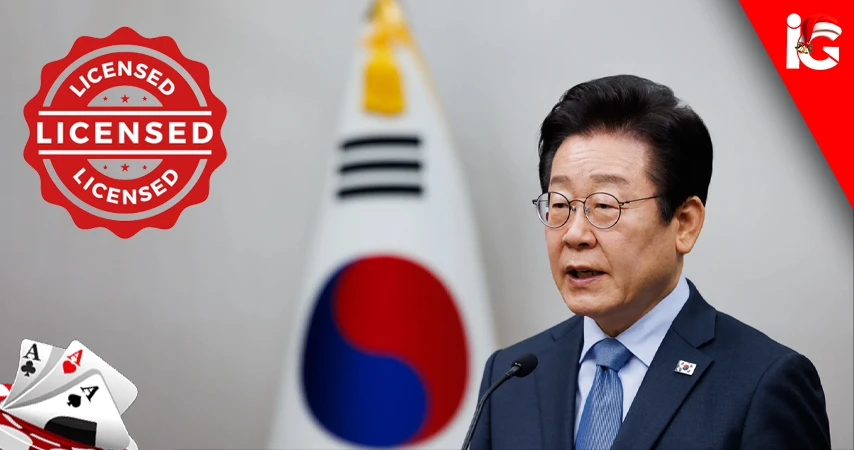
President Lee Jae-myung has publicly questioned the legitimacy of granting casino licenses to private-sector operators, raising concerns about whether such approvals represent an appropriate use of government authority. Speaking at a policy briefing held by the Ministry of Culture, Sports, and Tourism, Lee described casino licensing as a significant state concession and suggested that the scale of profits generated by gambling operations warrants closer scrutiny of private involvement.
The president’s remarks appeared to challenge the foundations of South Korea’s existing casino framework, where several private companies operate foreigner-only casinos. Market reaction was swift, with shares of Paradise Co Ltd and Lotte Tour Development Co Ltd declining during the following trading session. The response reflected investor concerns that presidential skepticism could translate into tighter regulation or licensing reviews.
Discussions during the briefing also extended to Kangwon Land Inc, the country’s only casino permitted to serve domestic players. Interim CEO Choi Cheol-gyu presented proposals seeking regulatory relief under the operator’s K-HIT 1.0 reinvestment initiative. These included removing the annual 180-day gambling limit for Korean nationals, easing operating hour restrictions, expanding gaming floor space, and increasing maximum bet limits.
President Lee described the expansion strategy as a high-risk undertaking and urged relevant ministries to carefully evaluate the proposals. At the same time, he invited Kangwon Land to report any perceived regulatory unfairness directly to the Presidential Office, signaling openness to intervention if deemed necessary.
Lee’s comments reflected a broader ambivalence toward casino policy, balancing economic contributions against social concerns associated with gambling. While private operators faced market pressure, shares of state-linked casino firms edged higher, suggesting expectations that increased presidential involvement may favor public-sector operators. The episode underscores ongoing tensions over governance, profitability, and social responsibility within South Korea’s gaming industry.