



US Lawmakers Face Pressure Over Gambling Tax Rule
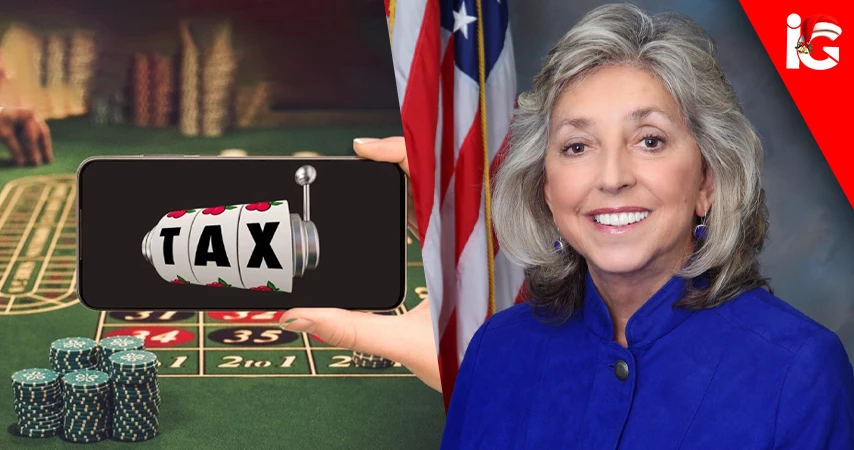
US lawmakers face growing pressure to revisit a gambling tax change that could reshape the regulated betting market from 2026. Representative Dina Titus of Nevada has urged Congress to fast-track her FAIR BET Act as a new federal rule limiting gambling loss deductions approaches implementation.
The proposal responds to changes introduced under the One Big Beautiful Bill Act, which cap gambling loss deductions at 90 percent of winnings. Under the rule, bettors who break even could still face taxable income on losses, a shift critics say amounts to taxing unrealised gains. The change applies to both professional and recreational gamblers and is scheduled to take effect on 1 January 2026.
For decades, US tax law allowed players to deduct 100 percent of losses against winnings, ensuring taxes were paid only on net gains. Titus argues the revised framework unfairly burdens compliant players and risks undermining regulated markets. In a letter sent on 11 December to House Ways and Means leaders Jason Smith and Richard Neal, she requested an expedited hearing to restore the previous standard.
Industry groups warn the impact could extend beyond individual bettors. The Joint Committee on Taxation estimates the cap would raise around $1 billion over eight years, but analysts question whether higher taxes will reduce betting activity and compliance. American Bettor’s Voice has projected significant declines in sportsbook handle and gross gaming revenue if the rule remains unchanged.
Opponents also caution that higher effective tax rates may push players toward offshore and unregulated platforms, where consumer protections and responsible gaming safeguards are limited. Such migration could weaken oversight while reducing long-term tax receipts.
Despite bipartisan support, legislative momentum remains uncertain. An attempt to attach the FAIR BET Act to the National Defence Authorisation Act failed, leaving the bill in committee ahead of the 2026 tax year.