



Indiana Advances Online Lottery Bill While Considering Sweepstakes Ban

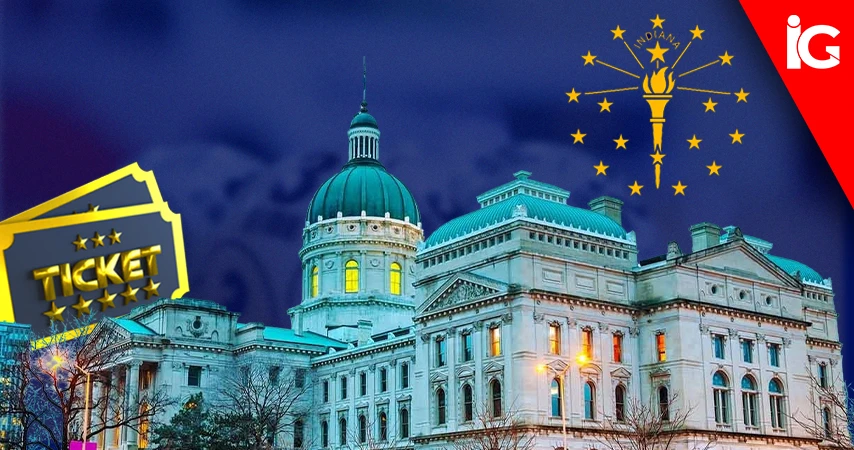
Indiana lawmakers are moving toward a significant shift in the state’s gambling framework, advancing legislation that would allow the Hoosier Lottery to sell tickets online while separately weighing a ban on online sweepstakes-style gambling platforms.
On Tuesday, the Indiana House Public Policy Committee voted 9–3 to advance House Bill 1078, which would authorise the Hoosier Lottery to offer online ticket sales and digital instant games. The proposal reflects a long-standing push by lottery officials who argue that digital access is now a basic expectation for consumers.

Lottery officials told lawmakers that purchasing behaviour has changed substantially since the Hoosier Lottery was created in 1989. At that time, tickets could only be bought in person with cash. Today, consumers routinely use mobile devices for banking, shopping, and entertainment, creating pressure for the lottery to modernise its sales channels.
If approved, online lottery sales would not begin immediately. Officials estimate a launch timeline of summer 2027, allowing time to hire vendors, develop technology infrastructure, and implement safeguards to verify that users are at least 18 years old and physically located within Indiana at the time of purchase.
Projected Revenue Gains and Policy Tensions
An analysis prepared by the Legislative Services Agency estimates that online lottery sales could increase Hoosier Lottery revenue by between $314 million and $629 million by the third year of operation. Annual lottery profits, which stood at approximately $340 million in fiscal year 2025, could rise by as much as $94 million.
However, the committee debate also exposed broader disagreements about the future of online gambling in Indiana. Some lawmakers expressed concern that approving online lottery sales without allowing regulated online casino gaming could distort the market and disadvantage existing casino operators.

Public health advocates raised additional concerns, warning that online gambling reduces physical safeguards found in brick-and-mortar environments. They cited risks linked to constant access, targeted advertising, and increased exposure among younger demographics.
Sweepstakes Casinos Face Potential Prohibition
Alongside the online lottery bill, lawmakers are discussing a separate proposal that would ban online sweepstakes games that simulate casino-style gambling, including slots, table games, bingo, and sports wagering. These platforms currently operate outside Indiana’s regulatory framework, leaving the Indiana Gaming Commission without authority to oversee or monitor them.
Supporters of the ban argue that sweepstakes casinos exploit legal grey areas and expose consumers to unregulated gambling. Others counter that banning the platforms without legalising regulated iGaming could push players toward offshore operators with fewer consumer protections.
The committee did not vote on the sweepstakes bill and is expected to revisit the issue in the coming weeks. As lawmakers continue deliberations, Indiana faces a broader policy question: how to modernise gambling laws while balancing revenue growth, consumer protection, and market fairness.