



Norsk Tipping History: From a 1948 Football Coupon to Norway’s Gaming Monopoly

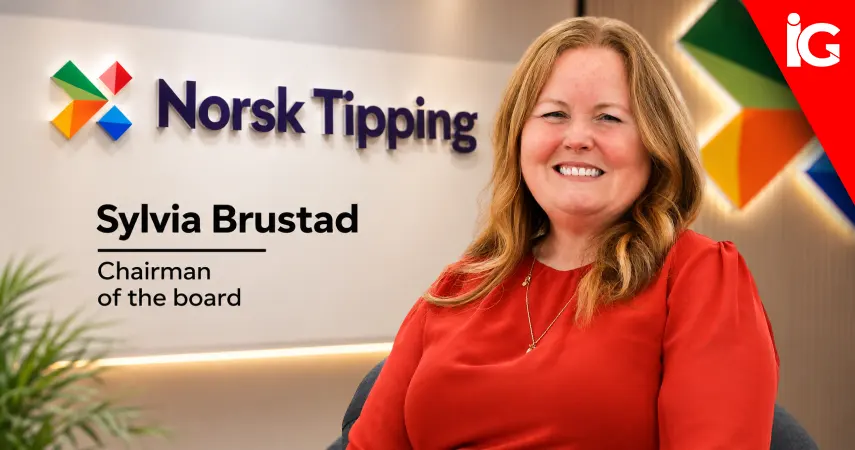
In March 1948, Norsk Tipping had one product. A single coupon carrying 12 English football matches, sold through a growing network of commission agents. The company marks 13 March 1948 as its start. Almost eight decades later, that modest post-war operation is Norway’s state-owned gaming monopoly, running lottery, sports betting, and digital gaming behind one of the industry’s earliest player-protection programmes. The Norsk Tipping history is a long-view lesson in how a state operator scales, and where it strains.
What the early Norsk Tipping history actually looks like
Founded in 1946, operational from 1948, Norsk Tipping spent its first decades doing one thing and doing it at growing scale. Commission agents multiplied through the 1950s, passing 3,598 by the end of the decade. The 1960s brought microfilming of coupons and a two-part slip. They also brought a political decision that shaped the company for good: the Storting voted to move Norsk Tipping from Oslo to Hamar, a relocation completed in 1975.

Then the technology caught up. In the 1970s the company introduced reader/sorter machines that turned coupon handling from an administrative slog into an automated process. Small change on paper. A foundation, in practice.
The commercial turn: Lotto, Oddsen and online play
The single biggest commercial moment in the Norsk Tipping history arrived in 1986 with Lotto. It reset the company’s scale and, politically, extended gaming profits to cultural purposes for the first time. Sports betting followed, and the product shelf widened through the 1990s with Vikinglotto, Oddsen, Flax and Extra.
The digital shift came earlier here than at many state operators. Online play was introduced in 1992, letting bets land close to a match or draw deadline. By 2009 the company was selling NOK 1.1bn worth of games through internet and mobile, with the online player base having more than doubled in three years.
Why responsible gambling sits at the centre
Here’s the part operators should study. Norsk Tipping treated player protection as core infrastructure, not a regulator-appeasing add-on. Mandatory player registration came in from 2009, covering every game except Flax. Spending and loss limits, behavioural monitoring, player expenditure reports, and proactive interventions followed. In the 2020s came Spillepuls, a real-time behaviour-monitoring tool the company describes as tracking gaming activity live.

The competitive read is straightforward. Much of what the wider market now treats as best-practice safer-gambling tooling, this operator had been running as standard years earlier. That’s a genuine edge – and, for a monopoly answerable to public-interest obligations, a necessity rather than a differentiator.
The caveat worth naming: what broke in 2025
Intellectual honesty demands the other half of the story. By the company’s own account, 2025 was rough. A serious error meant customers playing Eurojackpot through shared-play options had a higher chance of the Norwegian million-kroner prize than others, and Norsk Tipping was fined NOK 46m for it. On 27 June, thousands of customers were wrongly notified they had won large prizes. After a run of serious errors, CEO Tonje Sagstuen resigned, and Vegar Strand was named acting chief.
A KPMG review put a name to the underlying problem. The auditor pointed to a sustained high pace of launching new products and services coming at the expense of quality assurance across the company’s own and external IT deliveries. Note the tension: this is an operator with world-class player-protection credentials describing a failure of basic operational control. The two are not the same competency, and scale tests the second one hardest.
Future outlook
The next chapter turns on execution, not innovation. Incoming CEO Trond Bentestuen inherits a company that has to prove its QA and IT governance can match its safer-gambling reputation. Watch three things over the next 6 to 12 months: whether the regulator’s scrutiny eases as controls are rebuilt, how leadership slows launch velocity without stalling the product roadmap, and whether Norway’s monopoly model absorbs the reputational hit or hands critics fresh ammunition in the wider European debate over state gaming. For operators everywhere, the reader benefit is concrete: this is the case study to cite when the growth team wants to ship faster than the QA team can sign off.
Source: Norsk Tipping