



MERGE Madrid 2026: Mikel Arana Of The DGOJ On Prediction Markets And The Spanish Gambling Licence

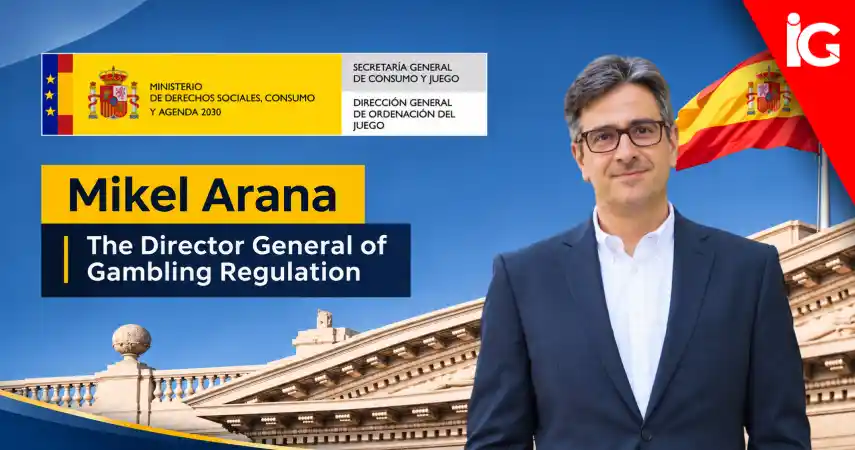
Spain’s gambling regulator has made its position on prediction markets clear. At MERGE Madrid 2026, an international event on cryptocurrencies, blockchain technology and Web3, the Directorate General for Gambling Regulation (DGOJ) explained how these products sit under Spanish law. The message was direct: if a product constitutes gambling under Spanish law, it requires the appropriate licence.
The reason this came up now is the rapid expansion of prediction markets alongside crypto and Web3 infrastructure, which often sits outside the usual financial or gambling frameworks. That is why a gambling regulator turned up at a crypto event to speak at all. The DGOJ used the platform to address a question the sector has been circling for some time, namely which rulebook these products actually fall under.

The position was delivered on 30 October 2026 by Director General Mikel Arana, who took part in the panel “Regulatory Visions on Prediction Markets”. For operators watching how Europe will classify these products, the venue and the message together are worth reading closely.
Why prediction markets have become a regulatory pressure point
Prediction markets let people take positions on the outcome of future events, and that structure is exactly what makes them hard to classify. Depending on how a jurisdiction reads them, they can look like financial instruments, like betting, or like something new that fits neither box cleanly.
The DGOJ’s panel addressed this head-on, highlighting the need to determine the legal framework that applies to prediction markets, taking into account the characteristics of the products on offer and the rules in force in each jurisdiction. Classification first, then consequences.
What Mikel Arana told the MERGE Madrid 2026 panel
Arana’s statement was specific. Platforms offering products that constitute gambling activity under Spanish law must hold the corresponding licence to operate in Spain. It follows that prediction markets which fall into this category but lack authorisation cannot legally offer their services in the country.

He also confirmed that this is not being left as a statement of principle. The DGOJ said measures are being taken to prevent access from Spain to the affected platforms, which moves the position from classification into enforcement.
What the DGOJ position means for prediction market platforms
Here is the part operators care about. The jurisdictional claim is coming from the gambling regulator, not a financial one, and it was staked at a crypto and Web3 event rather than a gambling conference. That choice signals intent. The DGOJ is indicating it will follow these products into the spaces where they actually live, rather than waiting for them to present themselves at its door.
For any platform treating prediction markets as a financial or novelty product that sidesteps gambling rules, the message is that the Spanish regulator does not accept that framing where the substance of the activity is gambling. The read is straightforward: structure does not override substance.
The limits of a single national position
It is worth naming what this statement does not settle. The DGOJ speaks for Spain, and its view does not bind other jurisdictions, several of which are still working through whether prediction markets are financial instruments, gambling, or a separate category. The release also does not name specific platforms or detail the exact access-blocking measures, so the practical reach of enforcement will only become clear in how it is applied. A stated position and a fully tested enforcement regime are not the same thing yet.
How will Europe classify prediction markets next?
Spain has now put a clear marker down, and it has done it early and in public. The open question is whether other European regulators will reach the same conclusion that gambling rules apply, or whether prediction markets end up treated as financial products in some markets and bets in others. That split, if it happens, would leave operators navigating a patchwork, and it would make Spain’s firm stance an early reference point in a debate that is only getting louder.
Source: Dirección General de Ordenación del Juego (DGOJ)