


Maryland Voters Push Back Against Online Casino Legalisation
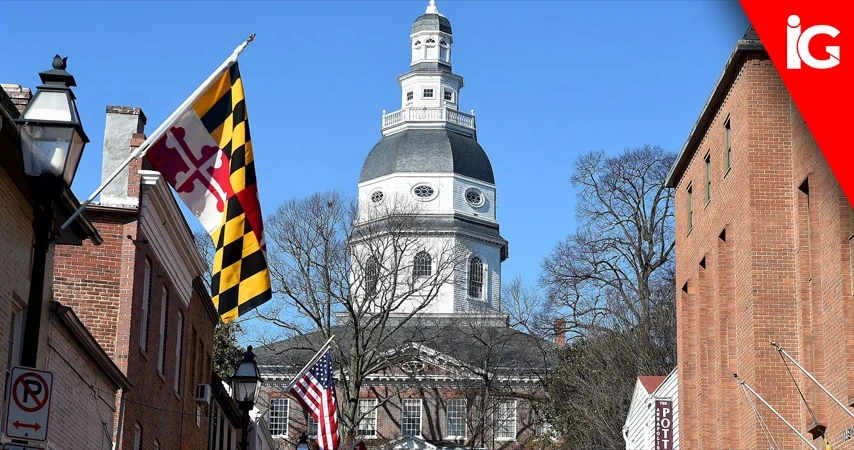
A new poll conducted by Lake Research Partners for the National Association Against iGaming (NAAiG) has found that 71% of Maryland voters oppose legalising online casinos, presenting a substantial challenge for lawmakers exploring potential 2026 ballot measures. The survey, carried out between September 15–18, sampled 650 registered voters with a margin of error of 3.8%, reinforcing persistent skepticism across the state.
Opposition groups, including The Cordish Companies, Churchill Downs Inc., Jack Entertainment, and several labor unions, have repeatedly voiced concerns about the economic effects of online casinos on existing facilities. A 2024 study by The Innovation Group, commissioned by the Maryland Lottery and Gaming Control Commission, projected that legalisation could lead to a 10% decline in physical casino revenues—an outcome that could impact thousands of casino jobs statewide.
Currently, Maryland’s six licensed casinos generate more than $3 billion in annual economic impact and contribute $962 million in tax revenue, according to industry data. Opponents fear that online expansion could disrupt these contributions, while advocates argue that regulation would bring transparency and new revenue streams.
Neighboring states such as Pennsylvania, New Jersey, and West Virginia have already launched regulated online casino markets, proving their fiscal potential and success in diverting play from offshore sites. However, Maryland voters’ firm opposition indicates that local acceptance remains a major hurdle.
Lawmakers face the complex task of addressing public concerns surrounding addiction, youth access, and job protection before revisiting any iGaming legislation. As it stands, Maryland’s path toward online casino legalisation remains uncertain and politically sensitive.