



Playtech and FanDuel Launch iPoker in North America Across Four Regulated Markets

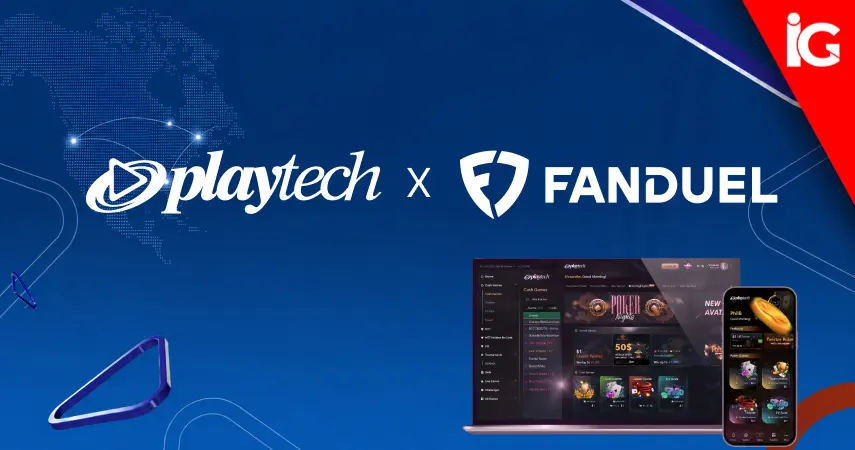
Four markets. One network. And a partnership built to answer the question operators have been sitting on for two years.
The B2B poker technology market in regulated North America has been thin. Operators in licensed US states and Canadian provinces have had few credible options at the infrastructure level, and that gap has slowed product development in a market that, on every other metric, has been moving. Something changed this week. Playtech’s iPoker network is now live in Michigan, New Jersey, Pennsylvania, and Ontario, powering FanDuel’s new poker product and marking the network’s first deployment on North American soil. This move did not come out of nowhere. Playtech has been signalling its North American ambitions for some time and this deployment is the clearest commercial expression of that direction yet.

The Move
iPoker has been one of European regulated gaming’s most consistent B2B poker platforms for the better part of two decades. It carries genuine credibility on liquidity management, platform stability, and the compliance architecture that serious operators need. None of that transferred automatically to North America. Getting there required regulatory approval across three US states and one Canadian province simultaneously, each with its own licensing framework and operational requirements. That Playtech is live across all four at once is the detail most reports will underplay.
The deployment is live through PokerStars exclusively on FanDuel, making FanDuel the first poker licensee for Playtech in the US and Canada. The choice is deliberate in ways that go beyond brand recognition. Marat Koss, Chief Interactive Gaming Officer at Playtech, described the debut as a defining moment for the company’s North American expansion, pointing to FanDuel’s standing as a valued partner capable of delivering a top-tier poker experience to players. What it means in practice is that Playtech chose one of the most recognised and widely distributed brands in American sports betting to carry iPoker’s first North American product. That is not a coincidence. It is a distribution strategy.
Why the Infrastructure Gap Existed
Online poker is structurally different from casino or sports betting at the B2B level. It requires network effects. Players need enough other players to find games. Games need to run consistently to retain those players. Networks solve that problem, but only where the technology and regulatory environment support it.
That is why credible B2B poker infrastructure has been slow to arrive in North America. The compliance overhead is higher. The market, while growing, has only recently reached the scale where a serious network operator could make a commercially coherent case for entry. Michigan and Pennsylvania have online poker frameworks that have matured over the last two to three years. Ontario opened its regulated iGaming market in April 2022. New Jersey has been live since 2013 but has historically had limited network options at the infrastructure level. The timing of this deployment reflects that market maturity, not a sudden decision.
What Operators Should Take From This
Platform heads who have stalled on poker product decisions in regulated US states now have something they did not have last week: a live reference point at enterprise scale. FanDuel’s poker product, running on iPoker across four markets, will generate performance data the entire industry can observe. That matters for any operator currently weighing whether to build, buy, or partner their way into a regulated poker offering.
FanDuel is not a passive vehicle here. It is one of the most recognised and widely distributed operators in the US market, and a poker product adds a meaningful dimension to its existing sports betting and casino offering. For Playtech, that distribution reach is the commercial foundation this deployment needed.
For B2B providers watching the competitive picture, Playtech has moved into a space that had no dominant incumbent. That changes the conversation for anyone else building or positioning a poker infrastructure product in this market.

What Comes Next
Expect Playtech to use FanDuel’s performance as the centrepiece of its North American B2B conversation for the next twelve months. A live deployment with a tier-one operator across four regulated markets is a reference that opens doors. Whether the product data supports the pitch is the question the industry will spend the next year answering.
For the broader market, the more consequential development is what this entry signals for other operators. The B2B poker infrastructure conversation in North America now has a named, live option. That changes the baseline against which every alternative is measured. Operators who have been waiting for proof that enterprise-grade poker technology could work in this market no longer have a reason to wait.
The gap closed. The clock started.
Source: Playtech