



Sidharth Swarup and Anant Asked One Question. It Changed the Future of Ingenuity Gaming

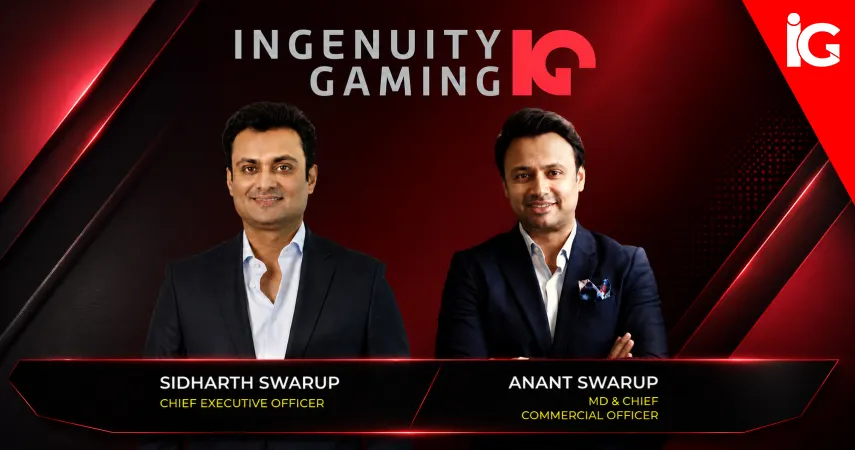
A two-year rebuild has changed what Ingenuity Gaming is, who it hires, and how it builds games for its customers.
Ingenuity Gaming has completed a deep, two-year transformation that moves the company away from a services model toward building complete games end-to-end for its customers. CEO Sidharth Swarup confirmed the shift in a candid LinkedIn post, framing it as the outcome of a question he and Anant Swarup asked in early 2024: what would it take to help the company reach its full potential. The answer, he wrote, was a full overhaul of strategy, structure, delivery, and technology.

Why the Ingenuity Gaming Transformation Started With a Hard Question
The starting point was deliberately uncomfortable. Swarup and Anant Swarup chose to look at the business as if it were their first day there. That reframing exposed a gap between what Ingenuity had been built to do, deliver services, and what it would need to become to build complete games for clients. Closing that gap meant revisiting strategy, redesigning the organisation, evolving delivery practices, and changing how the company measured success. It also meant creating clear accountability for driving the change, rather than hoping it would happen on its own.
The Leadership Hires Behind Ingenuity Gaming’s End-to-End Model
Swarup credited a group of senior hires with reshaping the business. Paul Kiruvanayagam joined as CTO. Terry Hollingshead came in as Commercial Director. Radu Efremescu took on Head of Game Design. Alina Poghosyan was appointed Director of Sales, and Jitan Vadgama now leads Delivery. Each, Swarup said, brought perspectives forged inside respected gaming and technology companies, and each played a major role in the reshaping. For a studio moving from a resourcing posture to full game ownership, that depth of industry-specific leadership is the part competitors will study most closely.
How AI and Delivery Changes Reshaped the Studio
The operational changes were structural, not cosmetic. Ingenuity moved away from shared resource pools toward dedicated client studios, introduced clearer accountability, and rebuilt its delivery, QA and reporting processes. The company also invested heavily in AI and automation. Swarup said requirements are now analysed using custom-built agents and LLMs before development begins, which surfaces risks sooner and lets quality be measured more intelligently. The stated logic is simple: technology should help good people make better decisions earlier, giving leaders better visibility across projects.
The Honest Part Most Transformation Stories Skip
Swarup was unusually open about the cost of the change. He described difficult decisions, uncomfortable conversations, significant investment, and a large amount of hard work across the business. There were moments, he admitted, when progress felt slower than wanted and when leaving things untouched would have been the easier option. That honesty is what gives the post weight. Transformation announcements rarely name the friction. This one does.


Future Outlook for Ingenuity Gaming
Swarup positioned the rebuild as a beginning rather than a finish line, saying the business clients engage with today is fundamentally different from the one of two years ago, yet still early in what the team can do. The signal for the next phase is clear: expect Ingenuity to lean further into AI-led delivery and the dedicated client studio model as proof points for end-to-end game development. For operators weighing build partners, the question now is whether a services-rooted studio can sustain a product-led identity. The answer will show in the games.
Source: Ingenuity Gaming