


One Mature Market. Denmark’s Next Winners Will Be Defined By Retention, Not Acquisition

Denmark has spent more than a decade building one of Europe’s most mature regulated gambling markets. The result is a market defined by strong consumer protection, well-known operator brands and players who already know exactly who they want to bet with.
That sounds like stability. The latest data says otherwise.
Fresh figures from Blask suggest competition across Denmark’s online betting market is entering a new phase. The established names still command most of the player’s attention. But challenger brands are starting to apply real pressure, and they’re doing it in a market where new growth is genuinely hard to find.

Established brands still control player attention
Hundreds of betting and casino brands compete across the Danish market. That’s a crowded field by any measure. Yet engagement stays concentrated around a small group at the top.
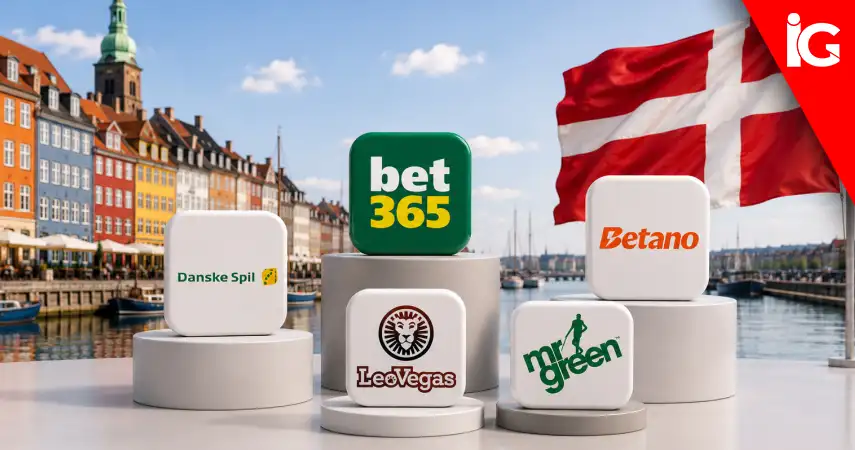
Danske Spil, the state-rooted operator, leads clearly. Global names sit behind it. Bet365, Mr Green and Unibet all hold established positions built on years of acquisition spend and product investment. Bet365’s position is no accident. The brand grew into a global force through decades of disciplined reinvestment, a story we covered in how Denise Coates built Bet365 into an iGaming giant.
The pattern is familiar to anyone who has watched a regulated market mature. Once an operator owns a trusted brand and a loyal base, prising those players away gets expensive. For a challenger, simply entering the market means very little. Sustained differentiation is the price of staying.

Challengers are starting to gain ground
The incumbents are strong. They are not untouchable.
Several operators are posting some of the fastest growth in the market, with Betano among the standout names climbing against the established order. Others are expanding their presence as the competition sharpens. Meanwhile a handful of once-prominent brands are sliding the other way, losing ground year on year. The market is separating winners from losers in real time, and the gap between the two is widening.
That matters because mature markets tend to reward execution over size. Customer experience, localisation, product depth and retention tooling decide long-term performance once the easy share is gone. Talent strategy increasingly sits underneath all of it, with operators like LeoVegas investing in specialist teams to sharpen product and retention, as seen in LeoVegas expanding its women in tech talent strategy. Denmark looks to be moving firmly in that direction.
Retention is becoming the real battleground
Denmark’s regulatory framework removed the easy growth that comes with a newly opened market years ago. Most Danish players already know the leading brands, which changes the economics entirely.
Operators now face rising acquisition costs, customers who are harder to move, and growing pressure to squeeze more value from every player they already have. Acquisition stops being the lever. Lifetime value takes its place.
There’s a caveat worth stating plainly. Blask’s figures track engagement and visibility, not licensed revenue or official market share. And fast growth from a smaller brand rarely holds at the same pace once it scales against an entrenched leader. The challengers that matter will be the ones still growing after the easy share runs out.

What this signals for the next 12 months
Expect Denmark’s next phase to be defined by the brands already in the market rather than new arrivals. The field is saturated, so the contest is about share transfer and retention, not expansion.
Watch whether the fastest-growing challengers can turn momentum into a durable position rather than a passing spike, and how the established leaders respond. That answer will come through retention and product rather than raw acquisition spend, and it will reveal how seriously the incumbents rate the threat.
For operators and suppliers across Europe, Denmark is a preview. The next growth cycle in mature regulated markets won’t be won on expansion. It’ll be won on who keeps the players they already have.
Source: Blask