



GRAI Commences Remote Betting Licences Under Ireland’s New Gambling Framework

Ireland’s first regulated betting licences carry obligations that change how operators trade in the market.
Ireland just stopped being an easy market. On 1 July 2026, the Gambling Regulatory Authority of Ireland brought its first remote betting licences into force, covering online betting, telephone betting, and the intermediaries that sit between wagering parties. It is the first live enforcement moment of the Gambling Regulation Act 2024, and the regulator picked the biggest segment of the market to go first. The move builds on a body that has already been vocal about the social stakes of gambling, having recently published research linking childhood gambling exposure to higher risk of adult harm. This licensing step is where that concern turns into enforceable rules.

What the licences actually require
The licence is not the headline. The obligations bolted to it are.
From day one, licensed operators have to verify customer age, guarantee payout of winnings, close accounts when customers ask, and stop facilitating credit or accepting credit cards. That last point lands harder than it looks. A credit ban reshapes how a segment of customers fund their play, and operators who leaned on that behaviour will feel it in the numbers. Everyone licensed sits under ongoing compliance monitoring, with the GRAI holding powers to investigate, sanction, and act against unlicensed activity.
A regulator that came ready to enforce
Plenty of new regulators arrive with a rulebook and little appetite to use it. The GRAI signalled the opposite.
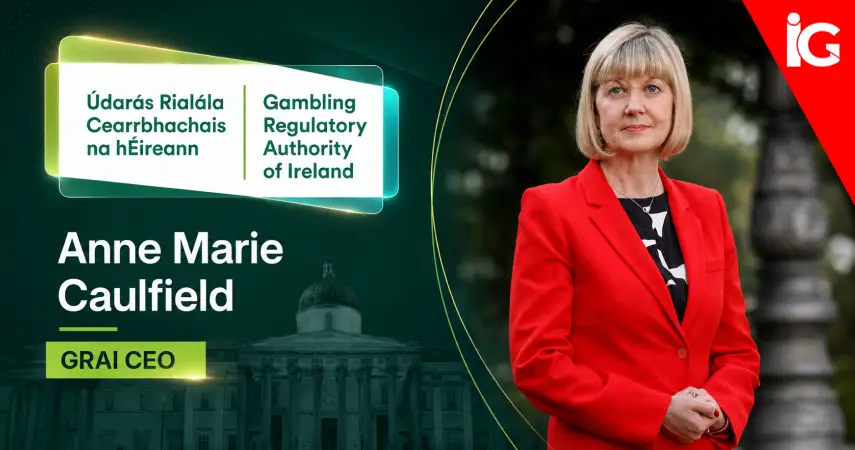
Chief executive Anne Marie Caulfield was direct. Consumers now hold real protections when they bet online or by phone, she said, and the work of identifying unlicensed operators has already started. She also set the bar for approval. Operators must prove they are fit and proper, financially capable of running gambling activity, and that winnings come from lawful means. On illegal operators she was blunter still, warning that when gambling is unlicensed, oversight vanishes and the risk of harm climbs sharply. Trading without a betting licence in Ireland is now a criminal offence, not a grey zone.

Why Ireland matters now
For years Ireland ranked among the more lightly supervised betting markets in Western Europe. That reputation is finished. The groundwork was laid when Ireland launched its new licensing regime for the gambling industry after a ministerial order, and this week is where the framework starts to bite.
Justice Minister Jim O’Callaghan framed the commencement as strengthening Ireland’s standing as a well-regulated market. Read commercially, the message is plain. Market access now carries a supervised price tag, the same pattern seen in the UK and the Netherlands, where tighter rules thinned out the field.

What operators should do next
For a compliance lead, none of this is abstract. The credit ban, the account closure rule, and the age checks touch payments, service, and onboarding directly. Anyone with Irish exposure needs to confirm licensed status, audit systems against the commenced rules, and budget for continuous monitoring rather than a one-off sprint.
And this is only phase one. Gaming, lottery, B2B, and charitable licences open across 2027 and 2028. Ireland has drawn its line. The question is whether each operator’s compliance was built for a supervised market or merely a permissive one.