



The Psychology Behind Casino Design and Customer Engagement

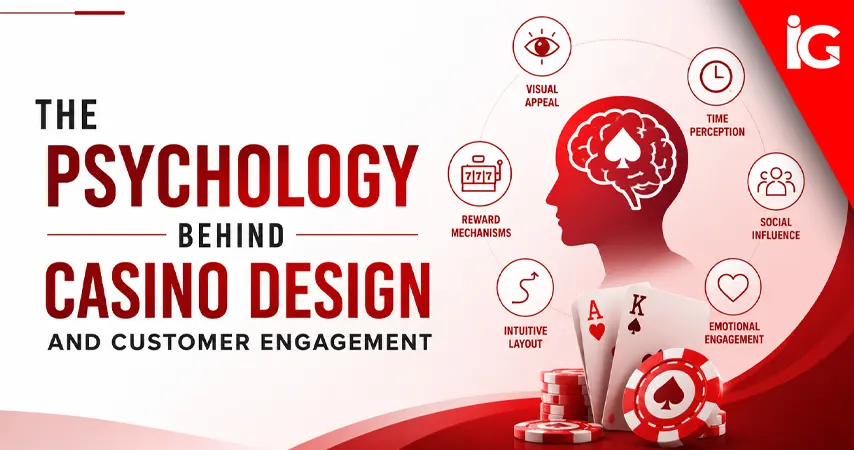
Step onto any casino floor and you are standing inside one of the most carefully engineered spaces in the entertainment world. Nothing about it is accidental. The lighting, the carpet pattern beneath your feet, the absence of a clock on the wall, the gentle curve of the walkway that pulls you deeper inside, every element has been placed with intent. Casinos have spent decades studying how people move, feel and make decisions, and the result is an environment designed to keep visitors comfortable, entertained and engaged for as long as they choose to stay.
For operators, marketers and product teams across the iGaming industry, casino design psychology is worth understanding for a simple reason: it is one of the clearest real-world demonstrations of how physical and digital environments shape player behaviour. The same principles that guide a gaming floor now guide casino apps, sportsbook interfaces and live-dealer experiences. Understand how casinos do it, and you understand a great deal about engagement and retention across the whole sector.

The Origins of Casino Design Psychology
The deliberate design of gambling spaces is not new, but the science behind it has sharpened considerably. For much of the twentieth century, casino floors followed what became known as the maze layout, low ceilings, winding paths, clustered machines and few clear sightlines to the exit. The thinking was straightforward: the longer and more pleasantly a visitor wandered, the more they engaged with what was on offer.
That model has since evolved. Modern venues increasingly favour open, airy spaces with natural light, clear navigation and a sense of calm rather than confinement. Research into visitor behaviour suggested that people relax and stay longer when they feel comfortable and in control, not disoriented. The shift reflects a broader truth about the gambling market and the wider casino industry: engagement built on genuine enjoyment tends to outlast engagement built on manipulation. Operators that treat their visitors well are the ones that keep them.
How Casino Customer Engagement Begins with Space
Before a single game is played, the space itself has already gone to work. Every casino is an exercise in environmental design, where lighting, sound and layout combine to shape how comfortable and engaged a visitor feels. None of it is left to chance. The most successful venues understand that engagement begins long before the first bet, in the atmosphere people step into. The sections below break down the three elements that do the most to set that tone.
Lighting, Colour and Comfort
Atmosphere is the quiet engine of casino customer engagement. The lighting is tuned to feel warm and flattering rather than harsh. Ceilings, sound levels and spacing are calibrated to create energy without overwhelming the senses. Many floors maintain a steady, climate-controlled comfort that makes time pass almost unnoticed, which is part of the reason traditional casinos famously avoid clocks and windows.

The Psychology of Sound
Sound plays a larger role than most visitors realise. The soft chime of a winning machine, the ambient hum of activity, the celebratory tones that ripple across a floor, these cues create a sense of momentum and possibility. They signal that good things are happening nearby, which keeps the mood buoyant. None of this forces a decision; it simply makes the environment pleasant enough that people want to remain in it.
Casino Floor Layout and Flow
Layout matters just as much. High-energy games sit where foot traffic is heaviest, while quieter, higher-stakes areas are tucked into calmer corners. The route from entrance to gaming floor is rarely a straight line, because a gentle, scenic path invites exploration. Done well, this feels less like being herded and more like being welcomed into a space that rewards curiosity.
Gambling Behaviour Psychology: The Science of Reward
Few industries understand reward as precisely as gambling does. The thrill of a near-win, the anticipation before a result, the small steady wins that keep play moving, all of it traces back to how the brain processes reward and risk. Understanding this psychology explains why casino games feel so engaging, and why responsible design and clear legal frameworks matter so much. The sections below break down the science, the mechanics, and the safeguards that keep enjoyment from tipping into harm.
How the Brain Responds to Reward
At the heart of gambling behaviour psychology is the way the brain responds to reward. Wins, near-misses and the anticipation of an outcome all trigger the release of dopamine, the neurochemical associated with pleasure and motivation. Crucially, anticipation alone can be as powerful as the reward itself, which is why the moment before a result often feels more charged than the result.
Reward Mechanics in Casino Game Design
Game designers understand this intimately. Bonus rounds, escalating jackpots, loyalty points and small frequent wins are all structured to sustain a sense of progress and possibility. These mechanics are not unique to gambling, they appear in video games, fitness apps and loyalty programmes across the consumer economy. What casinos have done is refine them over decades into some of the most engaging reward systems ever built.
Designing Responsibly
That is why modern operators pair engaging design with strong responsible gambling safeguards, deposit limits, self-exclusion tools, reality checks and clear messaging. Organisations such as the National Council on Problem Gambling have published detailed standards for online player protection, and research into safer online gambling design shows that clear, well-placed safety information measurably helps players stay in control. Good design and player protection are not in conflict; the best operators treat them as two halves of the same commitment to their customers.
Online Casino UX Design: From the Floor to the Screen

The casino floor spent decades perfecting how to make people feel comfortable, engaged and in no hurry to leave. As play moved online, that hard-won knowledge did not disappear; it was rebuilt in software. Online casino UX design takes the lessons of lighting, sound, layout and reward and translates them into screens, taps and animations. The result is a digital experience shaped by the same psychology as the physical floor, refined for a device that fits in your pocket.
Translating Casino Design to Digital
As gambling has moved online, the principles of casino design psychology have migrated with it, translated from physical space into pixels. Online casino UX design borrows directly from the floor: warm visual palettes, satisfying sound and animation, intuitive navigation and a steady sense of momentum. The clock-free, frictionless environment of a well-built app is the digital descendant of the windowless gaming floor.
Personalisation and Player Engagement Online
Digital platforms add capabilities the physical world never had. Advances in casino game innovation and technology now allow operators to personalise the experience in real time, surface relevant games, remember preferences and tailor rewards to the individual. This makes online engagement far more responsive, but it also raises the stakes on doing it responsibly, which is why iGaming regulation increasingly addresses digital design directly, governing everything from how bonuses are presented to how player-protection tools must be displayed.
For anyone tracking where the wider entertainment industry is heading, this convergence is instructive. Streaming services, mobile games and live-event apps are all chasing the same goal casinos mastered long ago: an experience so smooth and rewarding that people genuinely enjoy spending time inside it. Following online casino market trends offers a useful preview of engagement techniques that tend to spread across digital entertainment more broadly.
Loyalty, Personalisation and Player Retention
If atmosphere and reward design bring players through the door, loyalty is what brings them back. The real value in any casino, physical or digital, lies not in a single visit but in the relationships it builds over time. This is where casino design psychology shifts from first impressions to lasting connection, blending personalisation, recognition and genuine reward into an experience players want to return to. The principles below show how the strongest operators turn occasional visitors into loyal ones.
Building Player Loyalty That Lasts
Acquiring a customer is expensive; keeping one is where lasting value is built. That is why player retention sits at the centre of modern casino strategy, online and offline alike. Loyalty programmes reward repeat visits with tiers, points and perks, creating a sense of status and belonging that goes well beyond any single session.
The most effective programmes feel personal rather than transactional. A returning visitor recognised by name, offered a preferred game or invited to an event experiences something closer to hospitality than marketing. This emotional connection is what turns occasional players into loyal ones, and it mirrors the retention thinking now common across subscription services, sports memberships and premium media. Strong player engagement is increasingly understood as a relationship to be nurtured, not a transaction to be repeated.
Why This Matters Beyond the Casino
The lessons of casino design psychology extend far past the gaming floor. Retailers study how people move through stores. Theme parks design queues to feel shorter and more entertaining. App developers refine every tap to feel rewarding. The casino industry simply got there first and studied it most rigorously, which is why its principles have quietly shaped so much of the modern experience economy.
For operators and marketers in iGaming, the takeaway is encouraging rather than cautionary. Thoughtful design: design that respects the player, prioritises genuine enjoyment and builds trust, is also the most commercially durable. The brands and platforms that thrive over the long term are the ones that make players feel good about the time they spend, and want to come back of their own accord.
The Future of Casino Customer Engagement
Casino design has always been about creating an experience people enjoy, and the direction of travel is toward doing that more transparently and more responsibly than ever. As technology advances, operators are blending the warmth of the physical floor with the personalisation of digital platforms, all within tightening regulatory frameworks that put player wellbeing at the centre.
The result is an industry that is learning to grow by earning loyalty rather than simply capturing attention. For everyone watching the entertainment economy evolve, that is the real lesson: the most powerful engagement is not the kind that traps people, but the kind that genuinely delights them, and keeps them coming back because they want to.
Conclusion
Casino design psychology endures because it works with people, not against them. The strongest engagement comes from comfort, genuine enjoyment and trust rather than manipulation, and the principles built on the floor now shape every screen we touch. At iGaming News Today, we see the same shift across the industry: operators winning through responsible, player-first design. The future belongs to those who delight their audiences and earn loyalty honestly, keeping people coming back because they truly want to.

About Author
Harpreet is an iGaming content specialist who writes data-driven, insight-led content on market trends, operator strategies, and digital growth across online casinos, sportsbooks, and affiliate ecosystems.
Frequently Asked Questions
What is casino design psychology?
Casino design psychology is the study and application of how a casino’s physical or digital environment its layout, lighting, sound, colour and reward systems, influences how visitors feel, behave and engage. The goal is to create a comfortable, enjoyable experience that encourages people to stay and return.
How do casinos keep players engaged?
Casinos use a combination of atmosphere, layout, sound and reward design to sustain engagement. Comfortable surroundings, intuitive navigation, satisfying audio-visual feedback and loyalty programmes all contribute to an experience people enjoy. Online platforms add personalisation and tailored rewards to achieve the same effect digitally.
Does online casino design use the same psychology as physical casinos?
Yes. Online casino UX design translates the principles of the physical floor, warm visuals, rewarding sound and animation, smooth navigation and a sense of momentum into digital interfaces, while adding real-time personalisation that physical venues cannot offer.
How does responsible gambling fit into casino design?
Responsible design pairs engaging experiences with player-protection tools such as deposit limits, self-exclusion and reality checks. In most regulated markets these measures are a legal requirement rather than a courtesy.
What makes the latest mobile gambling apps so engaging?
Modern gambling apps apply the same design psychology as physical casinos, refined for the smartphone. They combine clean, intuitive navigation with fast load times, satisfying animation and sound, and personalisation that adapts to how each player uses the app. Features such as biometric login, one-tap deposits and tailored game recommendations remove friction, while live and in-play options keep the experience immediate and dynamic. As with any well-designed product, the goal is an experience people genuinely enjoy returning to which is also why leading apps build responsible-gambling tools, such as deposit limits and reality checks, directly into the interface.