



Launching Fast Isn’t Enough – Kambi Extends with Desert Diamond Casino to Bet on Long-Term Sportsbook Execution

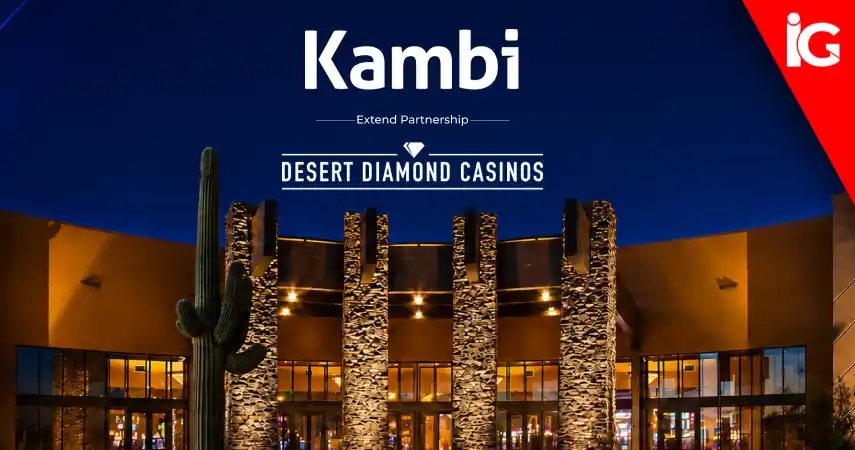
Supplier switching is expensive, risky, and increasingly rare in tribal gaming. This deal shows why.
Kambi has locked in a multi-year extension with Desert Diamond Casino, keeping its sportsbook platform running across the tribal operator’s online and retail betting operations throughout Arizona. On paper it reads like a routine renewal. In practice it tells you something sharper about how tribal operators are thinking about technology partnerships right now.

A Sportsbook Renewal Built on Continuity, Not Novelty
The agreement keeps Kambi’s platform in place across Desert Diamond’s mobile product and four casino properties, including Tucson, Sahuarita, West Valley and the recently opened White Tanks site. For Arizona’s largest tribal casino operator, that decision sidesteps the migration risk and operational disruption that come with changing sportsbook providers mid-cycle. The retail side stays intact too, with kiosks, over-the-counter wagering and Bring Your Own Device functionality letting customers bet from personal devices while on-property. A unified technology stack across retail and digital channels remains the quiet objective here, and Desert Diamond has chosen not to break it.
Why Supplier Stability Matters in U.S. Tribal Gaming
In the U.S. tribal gaming sector, operational continuity carries weight that pure feature comparisons do not. Tribal operators tend to prize long-term relationships and proven execution over the promise of something newer. That preference shapes the entire supplier conversation. A multi-year extension in this market is rarely just a contract; it is a signal that the platform has performed reliably enough to justify staying put. Werner Becher, CEO of Kambi, framed the deal as strengthening a long-standing relationship with a major tribal operator and reflecting the company’s wider ambitions in the U.S. tribal sportsbook segment. The framing matters because tribal gaming represents one of the more defensible footholds in a crowded American betting market.
The Commercial Logic Behind Avoiding Migration Risk
For operators reading this, the real lesson sits in what Desert Diamond chose not to do. Switching sportsbook providers means re-platforming, retraining staff, risking downtime, and potentially unsettling a customer base that has grown comfortable with an existing product. Treena Parvello, Director of Government and Public Relations at Desert Diamond Casino, described the renewal as continuing a relationship that already supports sportsbook operations across retail and online channels. Read commercially, that is a calculation about total cost and risk, not loyalty. The cost of staying was lower than the cost of moving, and the unified retail-and-mobile model justified the continuity.

The Real Lesson for Operators Weighing a Switch
For Kambi, the renewal extends a run of North American contract extensions that the market often reads as proof of supplier stability and operational performance. For competitors chasing tribal accounts, it is a reminder that displacing an incumbent requires more than a better demo. You have to outweigh the entire cost of disruption, and in tribal markets that bar sits high. The footprint in Arizona deepens, the retail and mobile operations stay aligned under one model, and the broader signal holds steady.

The most valuable contracts in iGaming are increasingly the ones nobody had to fight for. That should worry every supplier still leading with features instead of trust.
Source: Kambi