



Exclusive: How Georgia Could Become a Model for Modern iGaming Regulation

The global iGaming industry is entering a more complex phase.
Growth today depends not only on operators and products, but also on taxation models, payment systems, AI compliance, and whether regulation keeps players inside the legal market.
That is why Georgia is becoming one of the most interesting markets to watch.
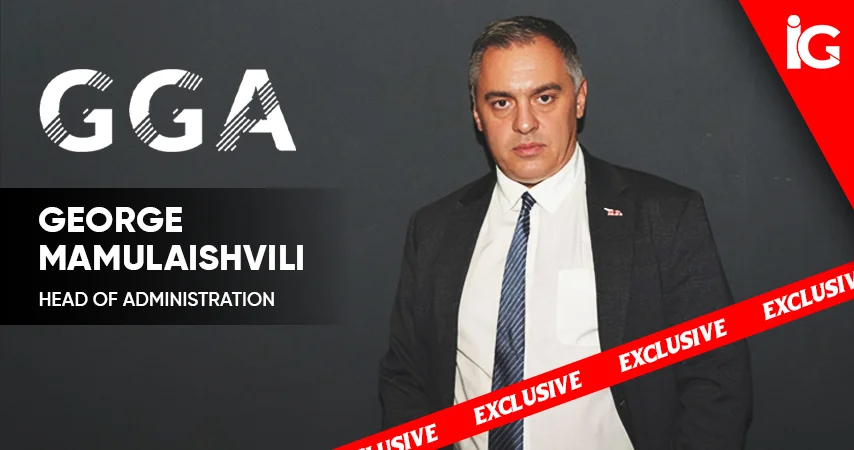
In an exclusive interview with iGaming News Today, George Mamulaishvili, Head of Administration of the Georgian Gambling Association, shared why modern regulation should be viewed not as restriction – but as market architecture.

Q1. How has your experience shaped your perspective on iGaming?
George:
My experience across operations, finance, and regulatory advisory has helped me see iGaming as a complete digital ecosystem rather than just a betting product. It involves technology, payments, taxation, compliance, and broader economic impact. I’ve learned that strong markets are built not on restrictions alone, but on clear rules, transparency, and a sustainable legal framework that allows operators to grow while protecting players.
Q2. How would you describe the regulatory landscape in markets like Georgia?
George:
Georgia is a strong example of how regulation can evolve from basic legalization to a more structured and sophisticated system. Like global markets, it has moved toward stricter compliance, AML/KYC, and player protection. However, the key measure of success today is not how strict regulation is, but how effectively it keeps players within the licensed environment.

Q3. How do regulatory changes impact operators?
George:
Regulatory changes affect the entire business model – from growth and marketing to retention and profitability. As restrictions increase, operators can no longer rely on aggressive acquisition strategies and must focus more on CRM, segmentation, and product quality. In such environments, strong management and the ability to adapt quickly become critical for sustaining growth.
Q4. What are the biggest taxation challenges?
George:
The main challenge is not just tax rates, but the overall tax structure. Multiple layers of costs – such as licensing, compliance, and operational requirements – can significantly reduce margins. If taxation becomes too heavy, it weakens the competitiveness of licensed operators and can push demand toward the grey market.
Q5. How are payment systems evolving?
George:
Payment systems have become a core part of the iGaming ecosystem, directly impacting user experience, trust, and conversion. In regulated markets, they also serve as a key compliance and monitoring tool. The industry is shifting from simple payment blocking to more advanced payment monitoring, making payments both a regulatory and competitive advantage.
Q6. What are the key compliance challenges?
George:
Compliance today is no longer a separate function – it is part of daily operations. The biggest challenges include responsible gaming, managing grey market risks, ensuring precise advertising, and handling cross-border compliance. The focus is shifting toward real-time, data-driven systems that integrate compliance into the business model.
Q7. What regulatory changes will shape the future?
George:
The industry is moving toward more advanced regulatory models focused on channelization, data-driven oversight, and controlling illegal market infrastructure. Future regulation will not be defined by strictness alone, but by how well it balances control, transparency, and market competitiveness.
Q8. How will AI shape the industry by 2026?
George:
AI will play a major role in both operations and compliance, helping with personalization, fraud detection, and predictive risk monitoring. However, it must remain transparent and auditable. The real advantage will go to companies that integrate AI within strong governance and compliance frameworks.

About Georgian Gambling Association
Georgian Gambling Association represents industry interests across Georgia’s regulated gaming market.
The organization contributes to discussions around sustainable regulation, market competitiveness, taxation frameworks, and the long-term development of the country’s gaming ecosystem.