



$140M Investment. Hotel Capacity Doubles. Choctaw Casino & Resort – Pocola Is Redefining the Regional Resort Experience

A bingo hall that opened in 1994 is about to double its hotel capacity. That tells you where the regional gaming market is heading.
The Choctaw Pocola expansion commits $140 million to a new hotel tower, a resort-style pool, a full-service spa and a top-to-bottom refresh of the existing property in Pocola, Oklahoma. It is one of the larger tribal casino investments in the Fort Smith metro this year, and the second largest resort in the Choctaw Casinos & Resorts portfolio is the one making the move.

What the Choctaw Pocola Expansion Actually Includes
The headline is the room count. A seven-storey tower will add 130 guest rooms, including premium suites, which the operator says will double the property’s hotel capacity. The existing 118-room hotel gets a full renovation, with new carpet, lighting, bathroom fixtures and furnishings.
Around that sits the amenity build-out. A resort pool with private cabanas and an outdoor bar. A full-service spa. A 24-hour fitness centre. A coffee and tea bar serving custom drinks. The casino floor, registration area and restrooms are being refreshed, while the poker room, off-track betting and Rewards Club all move to upgraded locations. Every restaurant and bar on site will be refreshed and rebranded around elevated food and craft cocktails.
Tutor Perini Construction and JCJ Architecture are the named partners. Groundbreaking is set for later in the fall.
Why the Pocola Hotel Tower Signals a Shift in Tribal Gaming
Read the amenity list again and notice what is missing from the emphasis. This is not a slots expansion. Spa, pool, cabanas, fitness, a rebranded dining floor. The gaming product stays largely as is while the spend goes into reasons to stay overnight and reasons to come back without sitting at a machine.

That is the regional casino playbook now. Markets like Fort Smith do not grow by adding terminals. They grow by converting day-trippers into overnight guests, and overnight guests into repeat resort visitors who bring partners, spa bookings and dinner reservations into the mix. Doubling hotel capacity is the clearest possible statement of that intent.
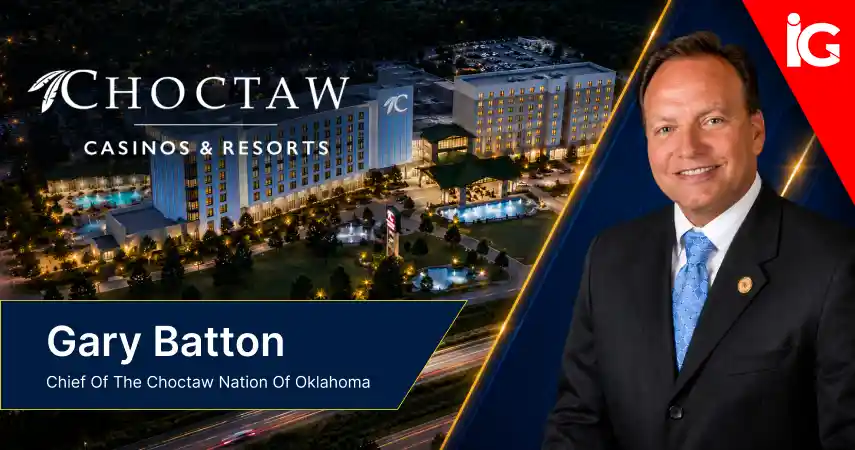
Chief Gary Batton, Chief of the Choctaw Nation of Oklahoma, framed it in economic terms, calling the property the largest employer in LeFlore County and pointing to its role in driving regional growth. General Manager Christy Chaser was more direct about the commercial logic, saying the project doubles hotel capacity and positions the property to pull visitors from across the region and beyond.
The read here is straightforward. When an operator talks about attracting guests “from across the region and beyond,” it is no longer competing on the gaming floor alone. It is competing on the whole stay.
What Operators Should Take From the Choctaw Pocola Expansion
For anyone running a regional or tribal property, this is a useful benchmark on where capital is going. The decision worth examining is the ratio. Choctaw is putting real money into non-gaming revenue drivers, the parts of the business that lift length of stay, food and beverage spend and return frequency. If your own capex conversation is still weighted toward floor space, this is a signal that the competitive set has moved on.
There is a caveat worth naming. Doubling rooms only pays off if demand fills them. A 260-room property needs a materially stronger events calendar, group bookings and a marketing reach that justifies the inventory. The tower is the easy part. Keeping it occupied across the week, not just on weekends, is the harder commercial question.

Future Outlook for the Choctaw Pocola Expansion
Watch the next 6 to 12 months for two things. First, the groundbreaking timeline and any phasing detail, since a property of this size will want to keep gaming revenue flowing while it builds. Second, how the rebranded dining and the spa are positioned at launch, because that branding will tell you whether Choctaw is chasing the leisure-destination market or simply upgrading its existing base.
The wider signal is the one regional competitors should sit with. When the second largest resort in a major tribal portfolio commits $140 million primarily to hospitality rather than gaming, the bar for what a regional casino is expected to offer has just moved. The question every nearby operator now has to answer is whether their own property still looks like a destination, or just a stop on the way to one.
Source: Choctaw Casino & Resort